How to Find Content Creation Jobs That Actually Pay
Key takeaways
- Search broad terms like content creator, producer, and specialist, then layer in your strength, since the same role hides under many titles.
- Build a portfolio of three to five pieces in your target format. Attach real numbers to at least one, because it proves more than any resume bullet.
- Check big boards like LinkedIn and Indeed plus niche sites. Pick two or three sources and watch them daily instead of scrolling ten.
- Walk away from listings paying in exposure, demanding full campaigns as test tasks, or hiding the salary band when you ask.
- Learn basic SEO and scheduling tools. Employers now want creators who understand how content reaches readers, not just how to make it.
You open a job board, type "content creator," and get a wall of mismatched listings. Some want a video editor. Some want a blog writer, and a few want all of it from one person.
The work is real and the demand is steady. The trouble is that the same job hides under a dozen titles. Pay ranges from a few dollars an hour to six figures.
Here is where these jobs live and which titles to search. You will also learn what each role does all day. Read a listing this way before you waste an afternoon on it.
What Counts as a Content Creation Job?
A content creation job is any role where you make the stuff people watch, read, or scroll past. Think videos, posts, graphics, articles, and newsletters.
- Video editors
- Motion designers
- Photographers
- Short-form creators
- Social media writers
- Copywriters
- Blog writers
- Newsletter editors
- Social media managers
- Content coordinators
The common thread is simple. You turn an idea into something an audience actually consumes.
That covers more ground than most job seekers expect. A brand needs someone to script a TikTok, write a blog post, edit a podcast, and design an Instagram carousel. Sometimes that someone is you wearing all four hats.
These roles split roughly into three buckets based on what you produce.
- Visual and video: video editors, motion designers, photographers, and short-form creators who live in tools like Premiere or CapCut.
- Writing and copy: social media writers, copywriters, blog writers, and newsletter editors who work in words.
- Strategy and management: social media managers and content coordinators who plan the calendar and keep everything shipping on time.
Plenty of listings blur these lines. A "content creator" job at a small company often means you do a little of all three.
Here is a quick look at the roles you will keep running into.
| Role | What you mostly make | Typical setting |
|---|---|---|
| Social Media Creator | Short videos, posts, captions | Brands, agencies, startups |
| Video Editor | Edited clips, reels, YouTube cuts | Creators, media teams |
| Copywriter | Ads, emails, product pages | Agencies, ecommerce |
| Content Writer | Blog posts, guides, articles | SaaS, publishers, marketing teams |
| Social Media Manager | Calendars, posts, community replies | In-house marketing |
Why does the label matter for your search? Because the same work hides under a dozen different titles.
Knowing the buckets helps you recognize a fit even when the job title is unfamiliar. A posting called "brand content specialist" might be the exact video editor role you want.
Keep that flexibility in mind as you scan listings.
Common Job Titles Worth Searching For
Job boards don't use one clean label for this work. The same role hides under a dozen names, so you need a list of search terms to catch them all.
Start with the broad ones. Type content creator, content producer, and content specialist into any search bar. These pull in roles that mix writing, filming, and posting.
If you lean toward writing, search for these titles:
- Content writer and copywriter
- Staff writer or editorial assistant
- SEO content writer, which focuses on content built to rank in search
- Content strategist for roles that plan what gets made, not just write it
Video and visual people have their own set. Search these when editing or filming is your strength:
- Video editor and video producer
- Multimedia specialist
- Motion designer if you work in animation or graphics
Social-first roles sit under their own umbrella. Look for social media coordinator, social media manager, and community manager.
Some companies bundle everything into one person and call it content marketing or brand content. These titles often want a generalist who can write, shoot, and post.
Watch for seniority words tacked onto any of these. A junior or associate prefix signals an entry-level fit. A senior or lead prefix usually wants a few years behind you.
Industry words get added too. You'll see "UX writer" at tech firms or "editorial content producer" at media shops. Search the base title first, then add your field as a second filter.
Run each title as its own search. A listing you'd love might use a label you'd never guess, so cast wide before you narrow down.
What Each Content Creation Role Does All Day
A job title tells you less than the daily tasks behind it. Two "Content Creator" roles can look nothing alike once you read the work. Here's what the common ones actually fill their hours with.
| Role | Core daily tasks | Making or deciding |
|---|---|---|
| Social media creator/manager | Plan calendar, shoot clips, write captions, reply, read numbers | Mostly making |
| Content writer | Research, outline, draft, revise, add basic on-page SEO | Mostly making |
| Video editor | Cut footage, sync audio, captions, color-correct, file management | Mostly making |
| Copywriter | Ad lines, subject lines, landing pages, product copy, rewritten often | Mostly making |
| Content strategist/marketer | Map clusters, spot gaps, brief writers, track traffic and leads | More deciding |
| Graphic/motion designer | Templates, thumbnails, slides, animations in brand style | Mostly making |
A social media creator or manager spends most of the day making posts and watching how they land. You plan a calendar, shoot or edit short clips, write captions, and reply to comments. You also read the numbers to see which posts earned reach and which flopped.
A content writer lives in drafts. You research a topic, outline it, write the piece, then revise after an editor marks it up. Many writing roles now include basic on-page SEO, so you add headings, internal links, and the phrases people actually search.
A video editor works mostly inside editing software. You cut raw footage, sync audio, add captions and graphics, and color-correct. A chunk of the job is also file management, keeping projects and exports organized so nothing gets lost.
A copywriter writes to make someone act. You produce ad lines, email subject lines, landing page text, and product descriptions. The work is short but slow, since one sentence can get rewritten a dozen times.
A content strategist or content marketer plans before anyone writes. You map topics into clusters, spot content gaps, brief the writers, and track whether the content brings traffic or leads. Less making, more deciding what gets made.
A graphic or motion designer builds the visuals around the words. You design post templates, thumbnails, slides, and simple animations, often matching a set brand style. Expect a steady stream of small requests from other teams.
Many smaller companies blend several of these into one hire. You might write, edit, and schedule all in a single week. Read the duties list closely so you know which blend you're walking into.
Take a sample "Content Creator" listing to practice. Its duties read: film and edit short clips, write captions, and reply to comments.
Those tasks are making posts and watching how they land. That is the social media creator bucket, not a writing or strategy role.
Now swap the duties for: research topics, outline articles, and add internal links. The same title now points straight at the content writer bucket.
What Skills and Portfolio Employers Expect
Employers screen for two things: can you make the thing, and can you show you already have? Your portfolio proves both faster than any bullet on a resume.
Portfolio readiness checklist
- ✓3 to 5 strong pieces in your target format
- ✓At least one piece with numbers attached
- ✓A two-sentence case note per piece
- ✓A sample in the employer's niche
- ✓Two pieces proving voice range
- ✓One live, clickable link to your work
The core skills split by role, but a few show up everywhere. Clear writing is one. So is a working feel for how platforms like Instagram, TikTok, and YouTube reward different content.
Here's what hiring managers tend to look for across content roles.
- Writing and editing. Clean copy, a consistent voice, and the discipline to cut your own words.
- Visual basics. Comfort in Canva, Figma, or the Adobe tools. You don't need to be a designer, but you should make a post look intentional.
- Video editing. CapCut, Premiere, or DaVinci Resolve. Short-form cuts, captions, and pacing matter more than fancy effects.
- Platform fluency. Knowing why a hook works on TikTok but flops on LinkedIn.
- Basic analytics. Reading reach, watch time, and engagement, then explaining what you'd change.
- Scheduling tools. Later, Buffer, or Hootsuite. Many roles expect you to plan a calendar, not just post ad hoc.
Skills get you the interview. The portfolio gets you the offer. Treat it as your real application.
You don't need a paid job to build one. Spec work, personal projects, and volunteer gigs all count if the quality is there.
Aim to show range and results, not just finished pieces. Use this checklist to see where your portfolio stands.
- Three to five strong pieces in the format you're targeting, whether that's captions, articles, reels, or thumbnails.
- At least one piece with numbers attached. Views, follower growth, or a before-and-after on engagement.
- A short case note per piece. Two sentences on the goal and what you did.
- A sample in the employer's niche if you can swing it. A fitness brand wants to see fitness content.
- Proof you can hold a voice. Two pieces that sound like different brands show you can adapt.
- One live link to an account or page you run, even a small one.
Host it somewhere simple and clickable. A Notion page, a personal site, or a tidy Google Drive folder all work.
Gaps are normal early on. Pick one weak spot from this list and build a single sample to close it before you apply.
What Pay Looks Like for Content Creation Roles
Pay for content creation jobs swings widely, so think in tiers rather than one number. Your experience, the company size, and your location all move the needle. Pull live figures yourself instead of trusting a single quote.
Entry-level roles usually pay the least. You might start as a junior social media coordinator, an associate content writer, or a video editing assistant. Search that exact title on Glassdoor or LinkedIn salary filters to see the current band.
Mid-level pay arrives once you own projects without much hand-holding. A content strategist or a social media manager who runs a full calendar sits here. Filter the same tools by title plus your location for a realistic range.
Senior roles pay the most because you set direction, not just output. Think content lead, head of social, or senior producer managing other creators. Compare several postings and the salary filters to triangulate the top of the band.
A few things push a given role toward the higher end of its tier:
- Technical skills like motion graphics, SEO, or paid ads often add a premium.
- Industry matters, since tech and finance tend to pay more than nonprofits or small agencies.
- Company stage shifts pay, as funded startups and large brands usually beat tiny shops.
- Location still counts, even for remote roles tied to a high-cost city's pay band.
Freelance pay works differently. You bill per project or per hour, and you cover your own taxes, software, and downtime between clients.
That means a freelance rate should run higher than an equivalent salary split into hours. You are pricing the gaps, not just the work.
What Remote, Hybrid, and In-Office Actually Mean
These labels change your daily life more than your title does. Read them carefully in every listing.
Remote means you work from anywhere, though some roles limit you to certain states or time zones. Check the fine print before you get excited.
Hybrid splits your week between home and an office, often two or three days in person. You need to live within commuting distance.
In-office means you show up daily, which suits video and studio work that needs shared gear. Expect your pay to track the local market there.
One honest note on remote pay. Some companies pay the same everywhere, while others adjust your offer down to match where you live. Ask early so no surprise hits your offer letter.
Where to Find Content Creation Jobs Right Now
Open listings live in a few predictable places. Learn where each one hides its best roles and you stop wasting hours scrolling.
Start with the big job boards. LinkedIn, Indeed, and Glassdoor carry the widest range of content roles across company sizes.
Filter them hard. Search a specific title, set the location to "remote" or your city, and sort by date so you see fresh posts first.
Niche boards cut the noise. These sites skip the generic corporate jobs and list roles built for creators and writers.
- We Work Remotely and Remote OK for remote-first content and marketing roles.
- ProBlogger Job Board and Contena for writing gigs and staff writer spots.
- Dribbble and Behance for design-leaning content and video jobs.
- Creative Circle and Mediabistro for media, editorial, and brand content.
Company career pages hold roles that never hit the boards. Make a short list of brands and agencies whose content you already like.
Check their "Careers" or "Jobs" page every week or two. Many smaller teams post there first and fill the spot before it goes anywhere else.
Agencies hire in waves. Digital marketing shops, social media agencies, and video production studios often need creators fast when they land a new client.
Freelance marketplaces are worth a look if you want to build a portfolio while you job hunt. Upwork and Contra list short content gigs you can start now.
Those gigs rarely pay well at first. Treat them as a way to collect real work samples, not as your main income plan.
Social media itself is a hidden board. Follow hiring managers and founders in your niche, since many announce roles on LinkedIn or X before posting anywhere.
Set up alerts so new listings come to you. Both LinkedIn and Indeed let you save a search and get an email when matching jobs appear.
Pick two or three sources and check them on a schedule. A focused list you watch daily beats ten boards you open once and forget.
How to Read a Listing and Spot a Red Flag
A good listing tells you what you'll make, who you'll report to, and what success looks like. A vague one hides all three.
Judge a listing at a glance
Do
- ✓Names platforms, cadence, tools
- ✓States deliverables
- ✓Says who you report to
- ✓Defines what success looks like
Avoid
- ✗Pay as 'exposure' or portfolio building
- ✗Multi-part test resembling free work
- ✗No salary band, refuses to share
- ✗Scope creep: posts to video, email, site
- ✗Urgent 'apply today', thin company info
- ✗Commission-only creative pay
Read the first few lines for the actual work. If a post spends more time on "rockstar energy" than on deliverables, be cautious.
Watch for these warning signs:
- Pay listed as "exposure" or "portfolio building" with no money attached.
- A multi-part test task that looks a lot like free finished work.
- No salary band and a refusal to share one when you ask.
- Scope that shifts from "social posts" to "and also video, email, and the website."
- Urgent "apply today" pressure paired with a thin company description.
A healthy listing names the platforms, the posting cadence, and the tools you'd use. That specificity is a green flag. It means someone thought about the role.
When to Walk Away
Skip anything that asks for unpaid "spec" work beyond a short sample. One page or one mock post is reasonable. A full campaign is not.
Be wary of listings that promise commission-only pay for creative output. Your rent does not run on maybes.
Unstable pay is the real downside of many creator roles. Freelance and contract gigs can dry up between projects, so ask how long the engagement runs before you commit.
How to Set Up Alerts and Apply Well
Turn your saved searches into a daily feed, then move fast when something fits. Creative roles often fill quickly.
Your application should show the work, not describe it. Link a tight portfolio of three to five pieces that match the role, not everything you've ever made.
Tailor the first line of your cover note to the company's actual content. Reference a post, a video, or a tone you noticed. It proves you looked.
The Skills That Make You More Hireable Now
Raw creativity still matters, but employers increasingly want creators who understand how people find the content. That means basic SEO.
Learn how keywords, headings, and internal links help a page rank in search. Knowing why one post gets traffic and another sits idle makes you more valuable than someone who only writes well.
Light automation skills help too. Scheduling tools, simple editing workflows, and AI drafting assistants let a small team publish more without burning out.
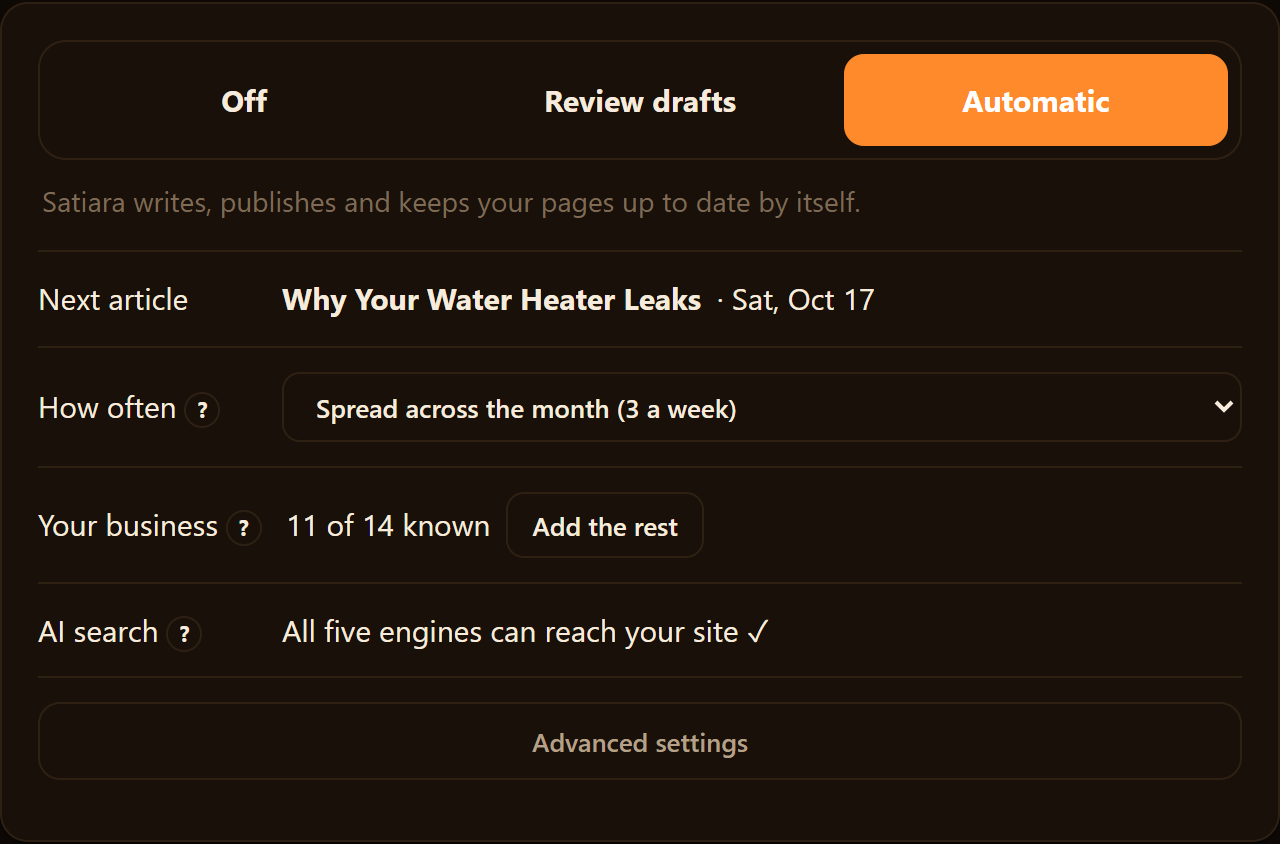
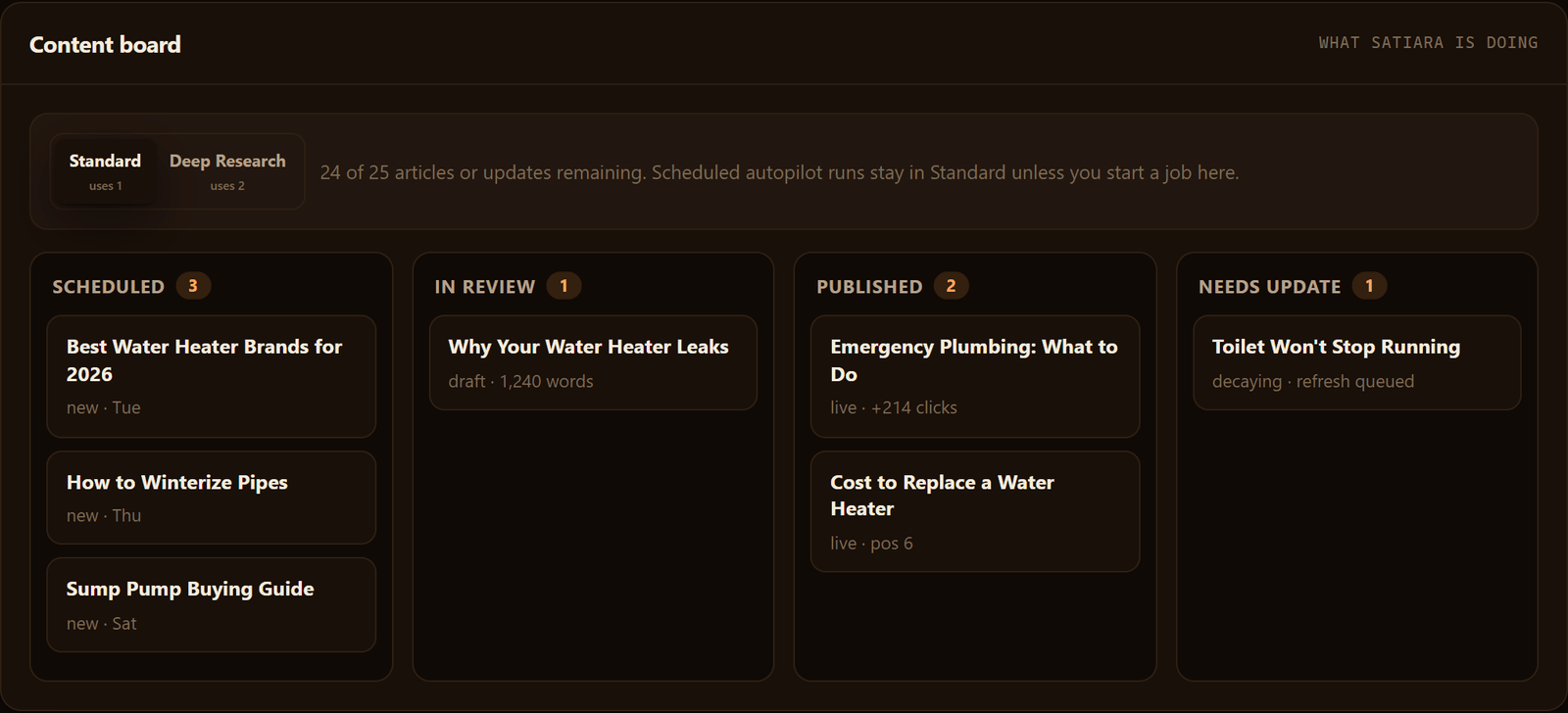
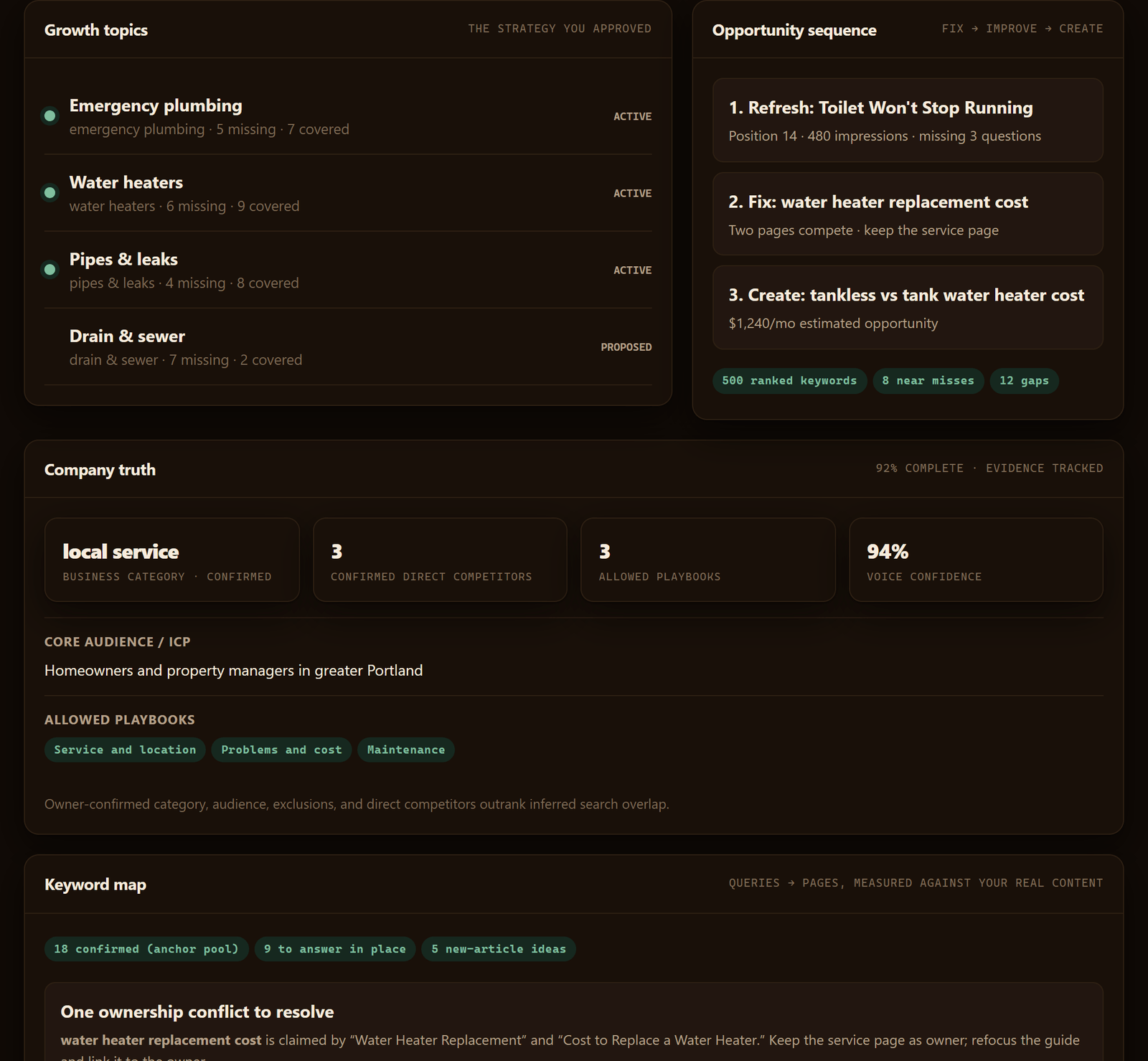
These skills also change the jobs themselves. SEO platforms like Satiara now handle planning, internal linking, and content refreshes that used to sit on a writer's desk. So many roles ask you to work alongside those tools rather than do every step by hand.
You don't need to be a specialist. You need to speak the language, so a hiring manager sees someone who gets how modern content actually reaches readers.
Your Next Move
You now know the titles to search, the roles behind them, and the boards where they actually post. That is enough to start a focused hunt instead of a scattered scroll.
Pick two or three sources, set your alerts, and build a short portfolio that matches the role you want. When a fit lands, you can move fast and apply with proof instead of promises.
Frequently asked questions
Is content creation a real career you can build on?
Yes, content creation is a steady career with a clear ladder from entry-level to six-figure director roles. Demand is real and consistent across brands, agencies, and startups. You can grow from a junior coordinator into a content lead or head of social.
The main catch is that the same work hides under many job titles, so you search wide.
How do I find content creation jobs I can do from home?
Filter big boards like LinkedIn and Indeed by "remote," then check niche sites built for remote work. Read the fine print, since some remote jobs limit you to certain states or time zones. Ask early about pay, because some companies adjust offers to match where you live.
How do I land an entry-level content creation job with no experience?
Build a portfolio of three to five strong pieces in your target format, since employers want proof over resume bullets. Search titles with junior or associate in them. Attach real numbers to at least one piece, like views or engagement growth.
What should I do first when starting my content job search?
Pick two or three job sources and watch them daily instead of scrolling ten once. Set up saved searches on LinkedIn and Indeed so new listings email you. Meanwhile, build a portfolio with a couple of case notes, because a focused routine beats a scattered one.
About Satiara
Satiara is an AI-driven SEO automation for a startup or SaaS founder. This article was written by the Satiara team. More about Satiara.